Define the complete rubber-to-metal bonding process

Adhesive selection starts with the rubber, metal, surface preparation, bonding system, cure cycle, and required service performance.

Review inputs

What should be clear before selection

  • Match the bonding system to rubber compound, substrate, and cure process
  • Use current products, failure modes, and performance targets as selection inputs
  • Confirm documents, sample feasibility, storage, shelf life, and packaging before trials
Rubber-to-Metal Bonding material and process reference

Process information comes first

The same adhesive system will not suit every rubber compound, metal, preparation method, or moulding process.

Rubber type, formulation context, and bonding surfaceMetal grade, blasting or chemical preparation, and cleanlinessPrimer and cover-coat method, drying, and film controlCompression, transfer, or injection moulding conditions

Clarify the performance target

Describe expected peel or tear behaviour, temperature range, fluids, vibration, ageing, and any customer test method. A current reference grade is useful even when an alternative is requested.

Plan a controlled trial

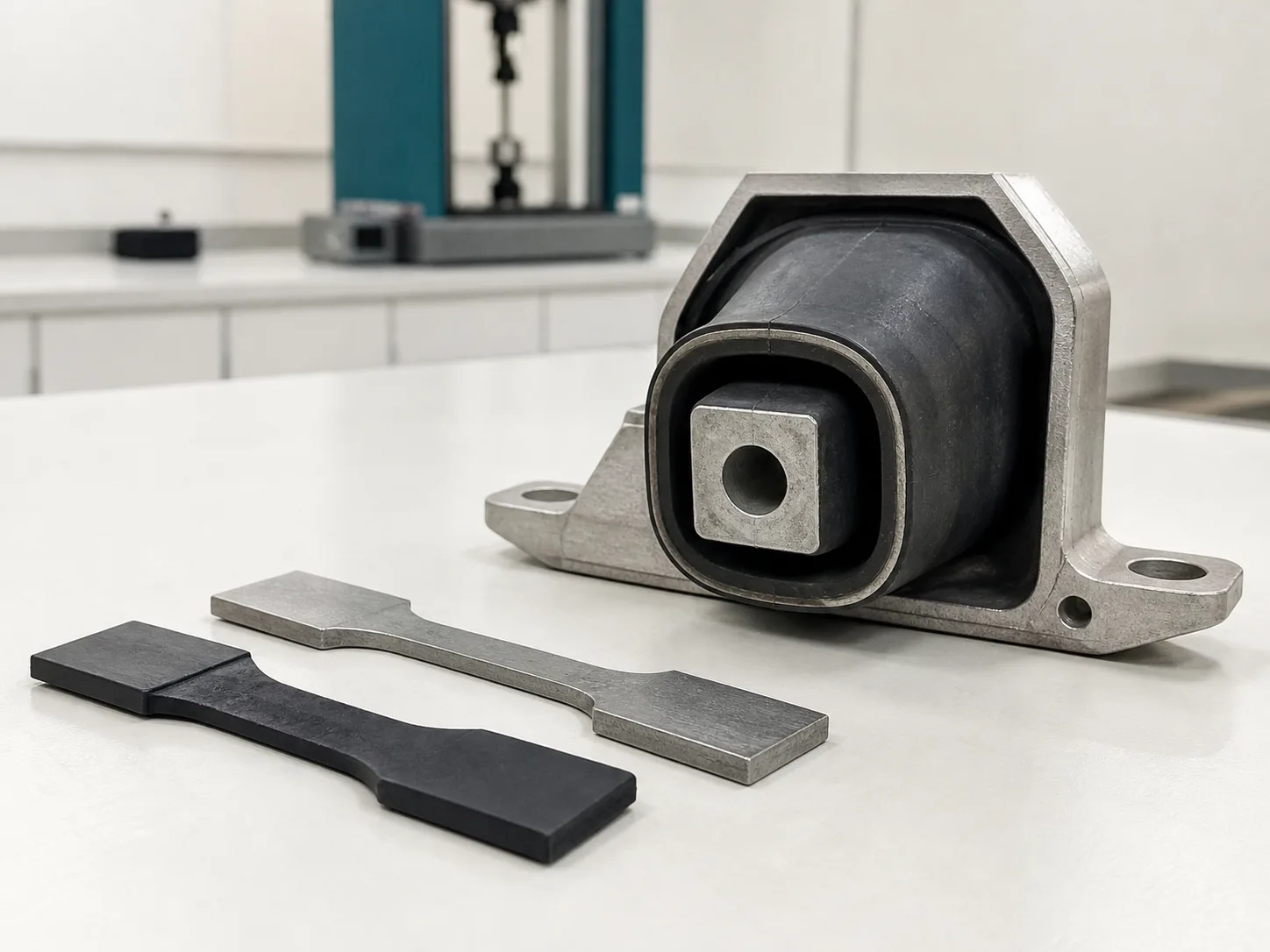
Review current technical documents and run a controlled test under representative production conditions. Record preparation, application, drying, cure settings, and failure mode before approving a change.
Information for quotation review

Product matching and commercial review depend on the application, current reference, document requirements, quantity and destination.

Product context

Product category or referenceApplication and industrySubstrate or materialProcess conditions

Supply context

Required documentsEstimated quantityDestination country

Practical questions

How is a product matched to an industrial application?

Matching starts with the substrate, process conditions, performance target, current product or reference grade, and production constraints. Final suitability should be confirmed through document review and appropriate trials.

Does application support replace production testing?

No. Information can help narrow the options, but the buyer remains responsible for validating compatibility, process settings, safety, and performance under actual production conditions.

What information is needed for a useful quotation?

Provide the product category or reference grade, application, materials or substrates, expected quantity, packaging preference, destination country, required documents, and desired timing.

Can samples or trial orders be discussed?

Sample and trial-order options depend on the product, supplier, transport restrictions, and destination. Include the test purpose and requested quantity so feasibility can be checked.

Can shipments be coordinated from China or Hong Kong?

Possible shipment routes depend on product origin, dangerous-goods status, order size, and destination requirements. Routing, documents, and Incoterms should be confirmed for each quotation.

Send the details behind your requirement

Share the application, product reference, documents, quantity and destination currently available.

Discuss a bonding process